Introduction: Why Ecological Water Matters More Than Ever
Water is life—but not just for humans
When most people talk about water, they think of drinking supplies, agriculture, or industrial uses. Rarely does the conversation include one of the most fundamental questions of sustainability:
“How much water does nature need to stay alive?”
That question is the core of ecological water—the portion of water that must remain in ecosystems (rivers, wetlands, lakes, aquifers) to maintain biodiversity, habitat health, and ecological functions.
In a world battling climate change, urban sprawl, and river depletion, the idea of ecological water is no longer optional—it’s survival science.
What Is Ecological Water?
Ecological water (sometimes called environmental water or instream flow) refers to the water intentionally left in or returned to natural systems to keep ecosystems functioning.
It’s different from:
- Irrigation water (for crops)
- Municipal water (for homes)
- Industrial water (for production)
Instead, it supports:
- Fish migration routes
- Wetland restoration
- Groundwater recharge
- Floodplain forests
- Biodiversity resilience
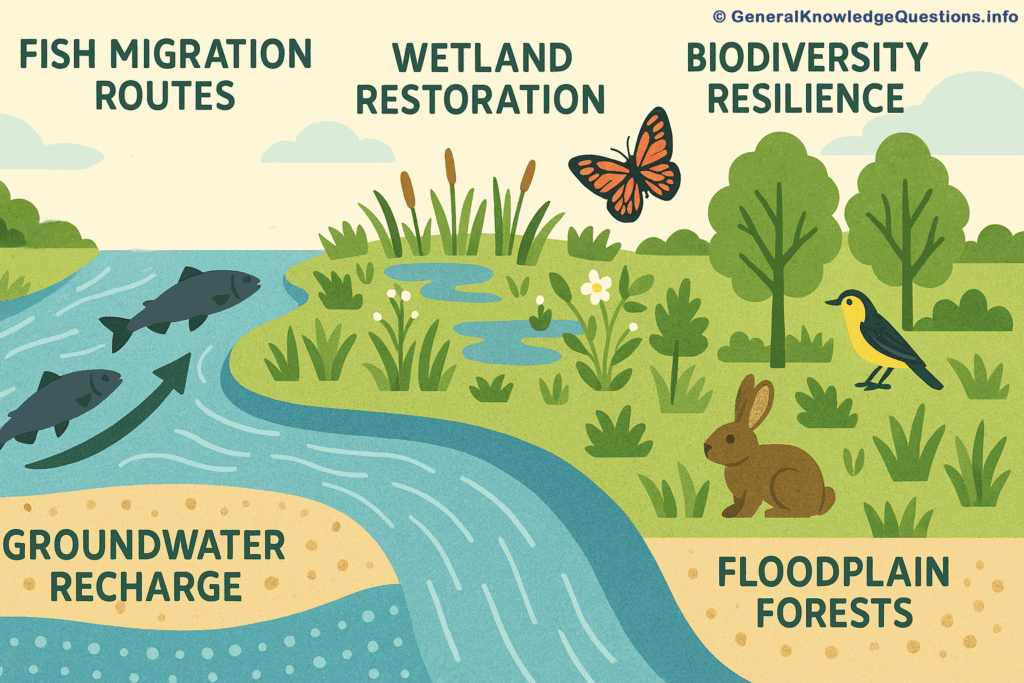
Think of it as nature’s share of water—a rightful allocation to keep fish spawning, groundwater replenishing, floodplain forests thriving, and biodiversity resilient in the face of climate shifts.
Restored flows can bring parched landscapes back to life—birds return, vegetation rebounds, and balance is slowly restored. This water sustains critical processes like wetland regeneration and the seasonal pulse that many species rely on to breed or migrate.
Ecological water is used to sustain:
• Fish migration routes – allowing aquatic species to complete essential life cycles
• Wetland restoration – reviving habitats for countless birds, amphibians, and insects
• Groundwater recharge – helping maintain underground water levels for long-term use
• Floodplain forests – supporting seasonal floods that nourish plant and animal life
• Biodiversity resilience – enabling ecosystems to adapt and recover from climate extremes
This isn’t just science—it’s stewardship. Ecological water connects us to the living systems we depend on. Rivers and wetlands aren’t scenery; they’re working ecosystems that provide clean water, climate balance, and food security.
A dry river is a broken promise. By giving nature its rightful share, we protect not just the environment but also our future.
The Origin and Evolution of the Term
The concept of ecological water (or environmental flows) isn’t new. The concept emerged in the USA in 1970s, Which began to take shape in the late 1980s and early 1990s, as the ecological damage from over-extraction in major river basins became unmistakable.
High-profile cases such as the Colorado River Basin in the United States and Australia’s Murray–Darling Basin drove this shift.
During the 1990s, scientific awareness grew that sustaining natural flow variability, not just a minimal base flow, was essential for ecosystem health.
In the Murray–Darling Basin, severe over-allocation of water for irrigation sparked reforms in the early 1990s—including the 1994 COAG water reforms and the 1995 diversion “Cap”—explicitly acknowledging the need for environmental flows to protect degraded rivers and wetlands
As Dr. Sandra Postel, water policy expert and National Geographic Fellow, shares the idea: “Nature needs water to function—not what’s left over after we’re done.
” When she said “human health and ecosystems both must be safeguarded and provided with the water they need first” in a Grist post
Today, more than 80 countries have integrated ecological flow requirements into national water policies or legal frameworks—a promising global shift toward sustainable water management.
However, the gap between policy and practice remains wide. Enforcement is often inconsistent, hindered by institutional challenges, limited monitoring, and competing water demands.
A detailed overview of how environmental flow policies are evolving globally can be found via The Nature Conservancy
Global Perspective: Where Ecological Water is Most Critical
1. China’s Ecological Water Zones
The Yellow River Basin, once nearly running dry, is now managed through minimum ecological flow requirements—a model that many countries study today.
China’s Yellow River Basin offers one of the most striking examples of ecological water in action.
The river was infamously known as the “river that no longer reaches the sea,” the Yellow River had nearly run dry due to decades of overuse.
Today, it stands as a model of ecological recovery through strict enforcement of minimum flow requirements.
This isn’t just about saving a river—it’s about rebalancing an entire socio-ecological system. With over 150 million people relying on its waters, the Chinese government recognized that ecological collapse would also mean economic and human disaster.
By legally mandating environmental flows, China has turned crisis into a case study—one that other water-stressed nations now look to as a blueprint for sustainable river management.
2. Australia’s Water Rights Model
Australia pioneered water trading and environmental water reserves, setting aside billions of liters specifically for ecosystems.
Australia stands at the forefront of ecological water management, having pioneered one of the world’s most advanced systems of water rights and trading.
In response to severe droughts and ecological decline—especially in the Murray–Darling Basin—the country redefined water as a finite, tradable resource while carving out a dedicated reserve for the environment.
Billions of liters are now legally allocated to sustain rivers, wetlands, and the species that depend on them. This approach wasn’t just policy—it was a cultural shift, recognizing that ecosystems have a right to water just as much as farms or cities.
By institutionalizing environmental flows within a market-based framework, Australia created a model of adaptive, accountable water governance that many other nations now study closely.
3. The Aral Sea Disaster
The Aral Sea, once the fourth-largest lake on Earth, has become one of the most haunting environmental disasters of our time—a stark reminder of what happens when ecological water is neglected.
In the 1960s, massive irrigation projects diverted the Amu Darya and Syr Darya rivers to boost cotton production in Central Asia.
The result was catastrophic: over 90% of the sea disappeared, local fisheries collapsed, toxic dust storms poisoned communities, and a thriving ecosystem turned into a barren wasteland. The Aral Sea didn’t just dry up—it was sacrificed for short-term gain.
Today, it stands as a powerful cautionary tale, underscoring the critical need to balance human development with environmental flows, or risk losing the very systems that sustain life.
Why Ecological Water Deserves More Public Attention
Ecological water is too often overlooked in public discourse, yet it’s central to our environmental and human future.
Here’s why it demands far more attention:
• Biodiversity is collapsing – Freshwater species populations have declined by 83% since 1970, according to WWF. Rivers, wetlands, and lakes are among the most threatened ecosystems on Earth.
• Rivers are drying –Iconic rivers like the Colorado, Indus, and Yangtze are shrinking fast.
According to a recent United Nations‑summarized study cited by The National, only about one‑third of the world’s 246 longest rivers remain free‑flowing, meaning that roughly two‑thirds no longer flow uninterrupted to the sea due to dams, diversions, and overuse.
• Droughts are intensifying –Climate climate change is prolonging dry spells and increasing atmospheric evaporative demand, while at the same time we are overdrawing aquifers that can’t recharge at a sufficient rate—especially in arid and agricultural regions.
Without ecological water, ecosystems collapse—and when ecosystems fail, so does water security for people.
The Intergovernmental Panel on Climate Change, IPCC (2021) confirms that rising global temperatures are increasing evaporative demand over land, leading to longer and more severe droughts in many regions.
Groundwater extraction is projected to increase sharply in coming decades, with abstraction from non‑renewable aquifers set to rise, further reducing storage as recharge fails to keep pace.
A global study in Wired highlights that over‑extraction plus reduced replenishment under a warming climate are accelerating aquifer depletion and causing widespread land subsidence, particularly in dry, heavily farmed regions
Ecological water is not a luxury—it’s the baseline.
How Is Ecological Water Measured?
Measuring how much water nature needs isn’t as simple as turning off a tap. It requires:
- Hydrological modeling
- Species and habitat studies
- Seasonal flow analysis
- Climate forecasting
It’s a science-driven process that balances hydrology, biology, and climate. Environmental scientists use hydrological modeling to simulate river flow patterns, while species and habitat studies help identify ecological thresholds for key plants and animals.
Seasonal flow analysis ensures natural variability—like floods and low flows—is preserved, and climate forecasting accounts for future uncertainties.
Several robust methodologies guide this assessment, like
- ELOHA (Ecological Limits of Hydrologic Alteration)
- Instream Flow Incremental Methodology (IFIM)
ELOHA (Ecological Limits of Hydrologic Alteration) is one of the widely used framework which provides a scalable approach to setting flow standards across regions. Another is the Instream Flow Incremental Methodology (IFIM), which integrates biological needs with flow simulations to protect aquatic habitats.
Agencies and governments worldwide use these tools to establish environmental flow requirements—the minimum amount of water that must remain in rivers to sustain ecosystems. This ensures that ecological health is not sacrificed for short-term human demand.
For a deeper look, see: Nature Conservancy- Environmental Flows
Agriculture vs. Ecology: The Tension Around Water Allocation
The key isn’t taking water away from people, but using it more wisely for both people and the planet.
In most parts of the world, agriculture consumes over 70% of available freshwater—a vital input for global food security. So, when discussions arise about reserving more water for rivers, wetlands, and ecosystems, it’s no surprise that farmers often express concern.
After all, livelihoods and national food supplies are on the line.
Yet, this tension isn’t necessarily a zero-sum game. The goal isn’t to take water away from people—but to use it more wisely, for the benefit of both agriculture and ecosystems.
Proven Solutions Include:
- Efficient irrigation: Drip systems and soil moisture sensors reduce waste while maintaining yields
- Water recycling: Treated wastewater can supplement irrigation in arid regions
- Drought-resistant crops: Varieties bred for water efficiency can thrive with less
- Water trading systems: Market-based allocation lets water move where it’s most valuable
By integrating these strategies, it’s possible to balance ecological water flow needs with agricultural productivity, protecting both food systems and freshwater biodiversity.
Real-Life Example: India’s Ganga River
In 2019, the Indian government mandated minimum ecological water (e‑flow) requirements along the Ganga river—from the upper basin all the way to Unnao.
This landmark policy aimed to restore the river’s ecological health and was enforced by December of that year
Key Objectives:
- Restore fish migration pathways disrupted by hydropower and diversion projects
- Improve water quality by ensuring adequate flow to dilute pollutants and maintain oxygen levels
- Reduce excessive sedimentation buildup that degrades habitat
Early Positive Signals:
- Monitoring via the new E‑flow Monitoring System shows increased aquatic life density, especially for indicator species like dolphins and native fish
- Reports indicate a slower rise in water temperature during lean months, contributing to healthier conditions for both ecology and public health
Policy in Action:
- The Ministry of Jal Shakti’s notifications require projects—hydropower, irrigation, and industrial—to maintain 15–20 % of lean season flows and up to 30 % during monsoon periods
This initiative illustrates how ecological water allocation can be achieved without compromising development. By safeguarding minimum flows, India is taking concrete steps toward balancing river health with human needs—creating happier ecosystems, cleaner water, and stronger resilience.
Urbanization and Its Impact
As cities grow, their landscapes shift in ways that significantly disrupt natural water cycles:
How Urbanization Disrupts Water Balance:
- Impervious surfaces—like concrete roads and rooftops—block rainwater from soaking into soil, resulting in dramatically reduced groundwater recharge. Over 75% impervious cover can turn up to 55% of rainfall into runoff, compared to roughly 10% in vegetated areas
- Stormwater systems channel water away too quickly, flushing it into drains and streams before it has a chance to infiltrate. This not only diminishes groundwater reserves but also harms aquatic ecosystems with abrupt flow pulses and pollutants
Solutions:
Nature‑Based Urban Solutions:
- Green infrastructure: Rain gardens, permeable pavements, constructed wetlands, and vegetated swales slow down runoff, enhance infiltration, and treat pollutants. These features help mimic natural hydrology in dense urban cores
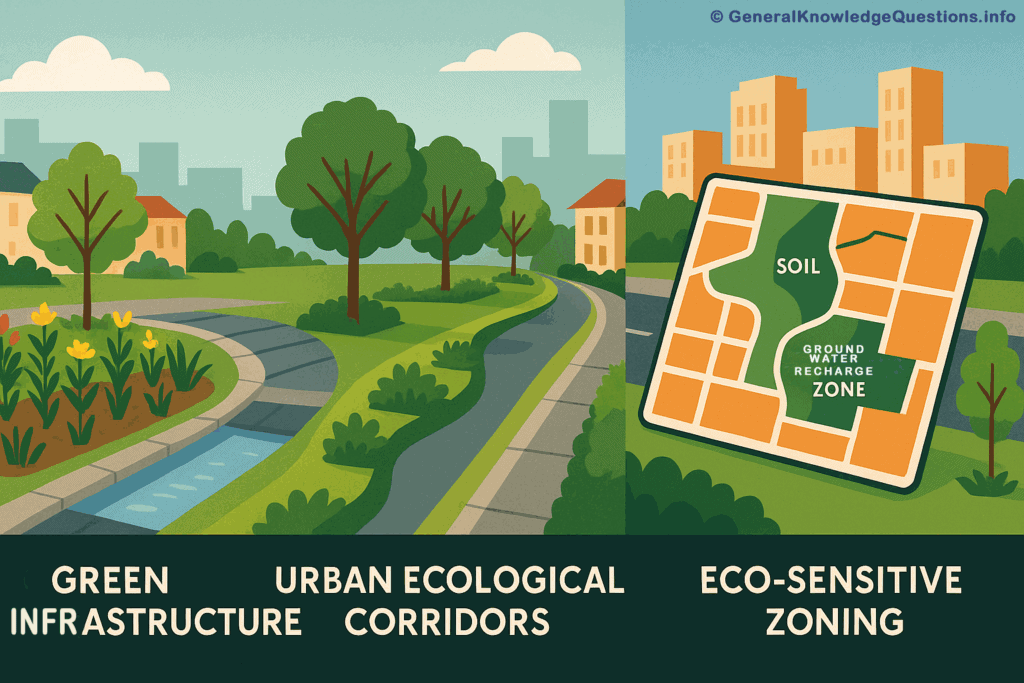
- Urban ecological corridors: Strategic planting and bioswales connect fragmented green patches, supporting ecological flows and wildlife movement.
- Eco‑sensitive zoning: Planning policies that limit impervious cover and prioritize infiltration zones help maintain groundwater recharge and climate resilience.
By integrating these solutions, cities can restore ecological water balance—turning stormwater from a problem into a resource, replenishing aquifers, filtering pollution, and supporting urban biodiversity.
A Farmer’s Perspective
Rajiv, a rice farmer in Maharashtra, India, once resisted ecological water reforms.
“They told us we had to leave some water in the river. I thought, ‘Who are they to tell me how to farm?”
After partnering with an NGO to install drip irrigation, Rajiv cut his water use by 40% while maintaining his yield.
“Now I get it,” he says. “If the river dies, we all die.”
Stories like Rajiv’s highlight how ecological water policies can work with communities—not against them—when paired with support and education.
The Science of Ecosystem Services
When rivers flow naturally and wetlands thrive, they do far more than just support wildlife—they quietly perform vital services that sustain human life, economies, and culture.
These benefits are known as ecosystem services, and their value is increasingly recognized in water policy and environmental economics.
What Healthy Ecosystems Offer:
| Ecosystem Service | Benefit to People |
| Water filtration | Natural wetlands trap sediments and pollutants, resulting in cleaner water for downstream users—often reducing treatment costs for cities. |
| Flood regulation | Vegetated floodplains and wetlands absorb excess rainwater, lowering urban flood risk during heavy storms. |
| Pollinator habitat | Wetland edges and riparian zones support bees and butterflies, directly boosting agricultural yields for nearby farms. |
| Cultural & spiritual value | Many rivers are sacred. Indigenous communities rely on them not just for sustenance, but for ceremonies, identity, and heritage. |
Research by the Millennium Ecosystem Assessment and IPBES (Intergovernmental Science-Policy Platform on Biodiversity and Ecosystem Services) confirms that degrading rivers means losing these life-supporting functions—sometimes irreversibly.
By maintaining ecological flows and protecting watershed health, we’re not just saving nature—we’re securing our own future in water, food, safety, and culture
What Can Be Done: Policy, Tech & Community
Tackling water scarcity and protecting ecosystems requires a multi-layered approach—combining legal frameworks, cutting-edge technology, and active community engagement.
1. Policy Innovations
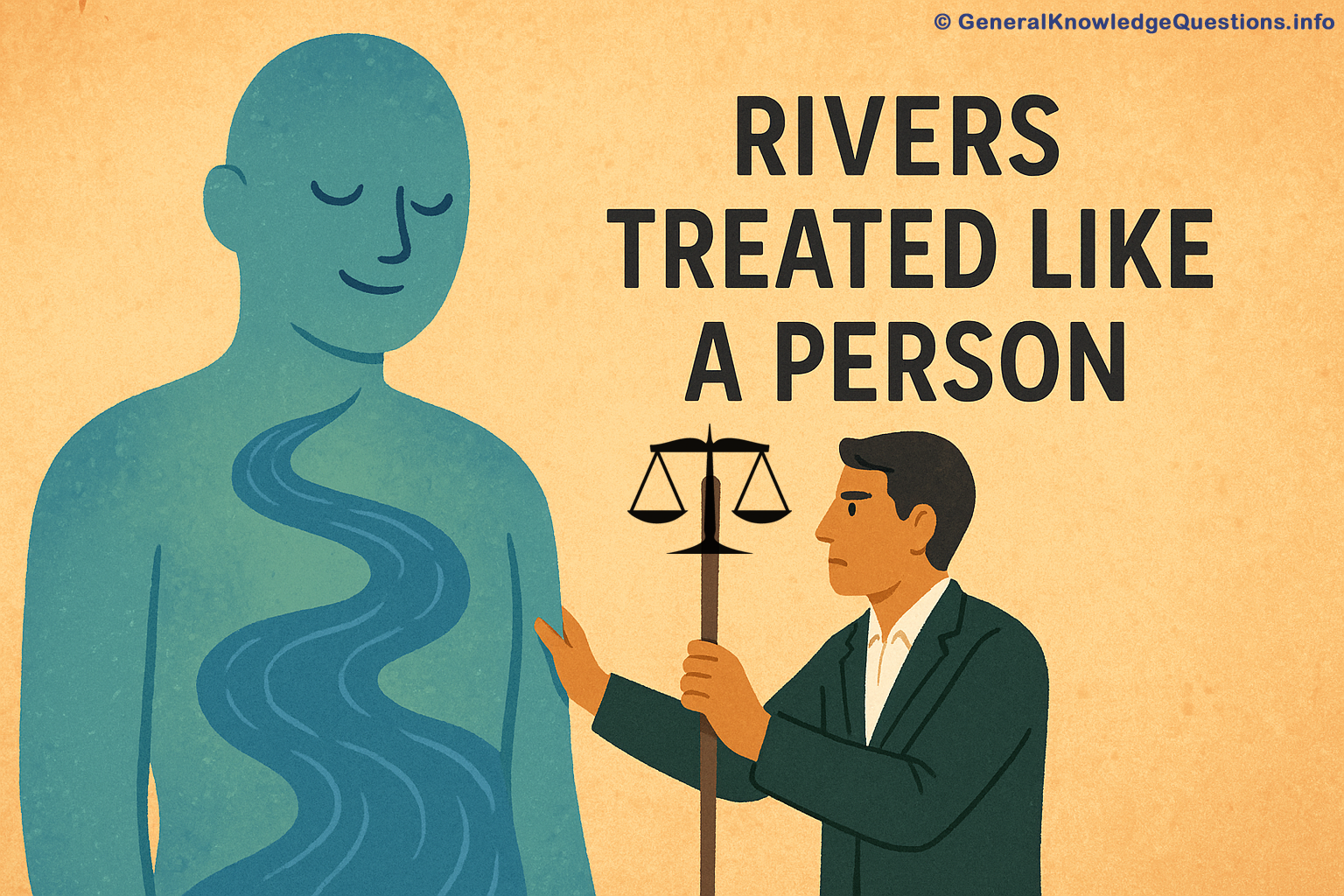
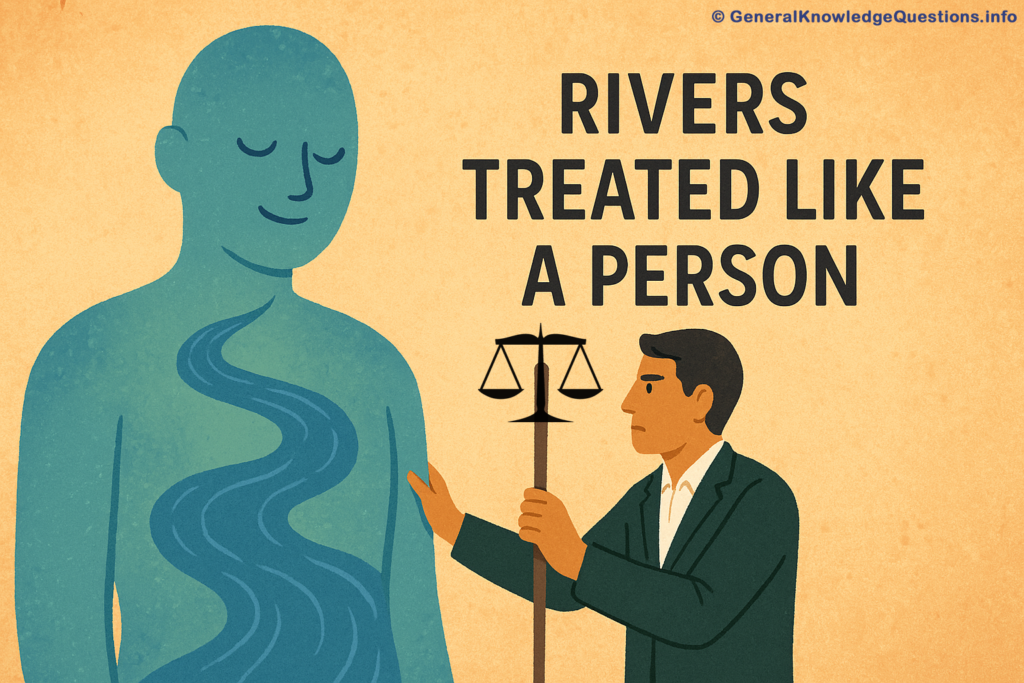
- Legal recognition of river rights, such as New Zealand’s Whanganui river have been given legal rights, under Te Awa Tupua Act, meaning they are treated like a person under the law and have guardians to protect them.
- Government-subsidized environmental water entitlements—like dedicated ecological flow allocations—ensure sufficient water remains for nature without threatening human supply.
- Mandatory ecological flow benchmarks establish clear thresholds that projects must respect before diverting or extracting water
2. Technology Leverage
- IoT soil moisture sensors empower farmers with real-time data to optimize irrigation and avoid overuse.
- AI-powered hydrological models simulate future conditions, helping decision-makers balance ecological and agricultural needs.
- Community-scale water reuse systems—such as small treatment plants—enable recycling of greywater for irrigation or flushing.
3. Community Engagement
- Citizen science water monitoring projects like Colorado’s River Watch engage locals in collecting high-quality ecosystem data for policy use
- School-based stewardship programs teach youth the value of water conservation from an early age.
- Local restoration drives mobilize volunteers to plant riparian buffers or clean urban streams.
With smart policy, innovative tech, and empowered communities, we can transform the water‑allocation debate from conflict to collaboration—with benefits for agriculture, rivers, and society alike.
Final Thoughts: Rebalancing Our Water Priorities
For centuries, rivers were treated as mere tools—diverted, dammed, and drained for agriculture, cities, and industry. But that era of taking water solely for “maximum human gain” is no longer sustainable. We now face a future where ecological collapse and water scarcity go hand in hand—unless we act decisively.
The time has come for a paradigm shift in how we value and allocate water.
We must begin to see nature as a rightful stakeholder, not just a scenic backdrop. Forests, wetlands, and rivers are not optional—they are the original water managers, regulating climate, filtering pollutants, and supporting life.
A balanced water future requires that:
- Nature has a legal and practical claim to water—backed by policy, not just sentiment.
- Ecological flows are measured, tracked, and enforced, just like human consumption.
- Planning includes ecological resilience alongside economic growth.
This isn’t about choosing between people and planet—it’s about understanding that our survival is linked. Healthy ecosystems don’t compete with us; they sustain us.
By returning water to the systems that gave it to us in the first place, we create a future where rivers run, crops grow, and communities thrive together.
Want to Act?
Here’s what you can do:
- Support local water conservation NGOs
- Push for ecological flow policies in your region
- Use less water at home—every drop adds up
“The rivers are not dying. We’re drying them. But we also have the power to restore them.”
Further Reading & References:
- WWF Living Planet Report (2024)
- UN Water: www.unwater.org
- Sandra Postel’s book “Replenish: The Virtuous Cycle of Water and Prosperity”
- Environmental Flow Requirements in River Basins: FAO Report